When You Struggle to Read, It Might Be How You See the Page.
You Are Not Imagining What You See.
Reading difficulties aren’t always about learning. Sometimes, the way your brain processes visual information can make reading uncomfortable or difficult.
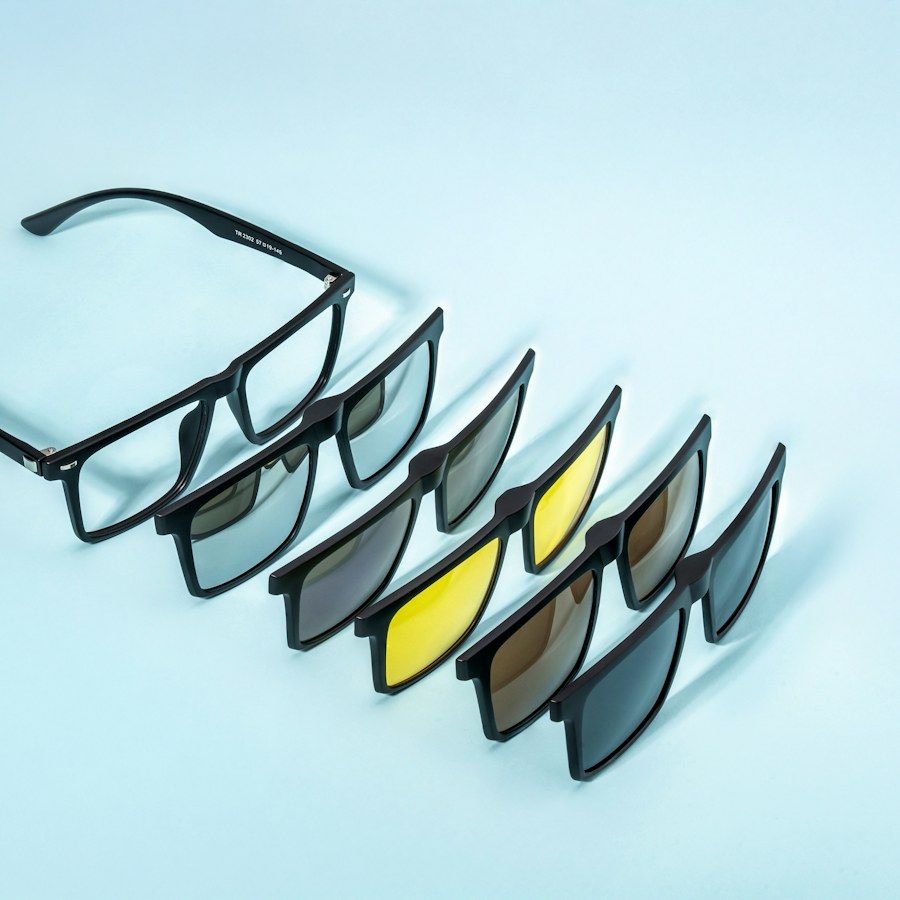
An Irlen screening can help you understand your visual difficulties and determine whether you may benefit from coloured lenses.
Irlen Syndrome goes beyond reading
Irlen Syndrome is a visual-perceptual processing issue that affects how the brain processes visual information.
Many people, including some with ADHD, autism, or a history of concussion, live with visual stress for years without realizing it. They assume everyone sees the way they do.
The screening
-
Step 1: Your questionnaire
- Answer a few questions about reading difficulties, light sensitivity, and daily activities.
- The results show both you and the screener how severe your symptoms are.
-
Step 2: Screening
- I gather information about your history, including reading difficulties, educational support plans, and family history of reading difficulties.
- The screening includes activities to assess reading challenges, visual discomfort, and reading experiences.
- Based on your questionnaire responses and screening results, I assess whether your symptoms are consistent with Irlen Syndrome and if coloured overlays may be helpful.
-
Step 3: Coloured overlays and coloured paper
- Coloured overlays are placed over a page of print to find which one makes reading easier.
- Your ideal paper colour is determined for handouts, notes, and exams.

-
Step 4: Written report
- You receive a clear report with what we found, including whether you would benefit from Irlen lenses, and guidance on the next steps.
-
Step 5: Follow-up
- A month after the screening, I check in on whether the overlays are being used, and if their reading is more comfortable.

Reading shouldn’t be so difficult.
Who Can Benefit from an Irlen Screening
Parents
Is your child struggling with reading?

Your child may be trying their best but still struggling with reading. Sometimes, these challenges may be related to Irlen Syndrome. You may notice that your child:
- Avoids reading or becomes frustrated with homework.
- Loses their place while reading.
- Experiences headaches or tired eyes after reading for a short time.
- Finds bright or fluorescent lights uncomfortable at school.
An Irlen screening explores whether your child’s difficulties may be related to Irlen Syndrome and if coloured overlays or coloured paper may help make reading more comfortable at school and at home.
Post-secondary students
Is reading and studying exhausting?

Reading and studying in post-secondary school can take much more effort than expected. For some students, these challenges may be related to Irlen Syndrome. You might notice that:
- Words appear blurry or seem to move on textbook pages.
- Reading on screens causes headaches or tired eyes.
- It is difficult to stay focused during long reading assignments.
- Fluorescent lighting makes it uncomfortable to study.
An Irlen screening explores whether your reading difficulties and visual discomfort may be related to Irlen Syndrome and whether coloured overlays or coloured paper may help make reading and studying more comfortable.
Support for Post-Secondary Students
You may be eligible for academic accommodations, assistive technology, financial assistance, or specialized student services.
If the screening shows you have Irlen Syndrome, we can look into further supports, including what is available and the documentation required.
I provide you with a report from the screening, and you can give it to your school.
Adults
Is visual stress affecting your work?

Reading, working on a computer, or spending long hours under bright lighting can leave you feeling exhausted by the end of the day. For some adults, these experiences may be related to Irlen Syndrome. You might notice that:
- Your eyes feel tired, strained, or uncomfortable after using screens.
- Glare from computer screens, headlights, or fluorescent lights bothers you.
- You experience headaches or fatigue throughout the day.
- Bright lights trigger headaches or migraines.
Many adults experience visual discomfort for years without realizing there may be an underlying reason. An Irlen screening explores whether your symptoms may be related to Irlen Syndrome and whether coloured overlays or other recommendations may help make reading and everyday activities more comfortable at work and at home.
Not Sure Yet? Try the Online Self-Test
Answer a few questions about reading difficulties, light sensitivity, and daily activities to explore whether Irlen Syndrome may be affecting you or your child.

Meet Cathy
I’m Cathy Bohn, a Certified Irlen Screener. I have Irlen Syndrome myself. I understand how difficult reading, bright lights, and busy pages can be.
Common questions
Is a screening a medical diagnosis?
No. A screening is not a medical diagnosis. If you would benefit from Irlen lenses, I refer you to an Irlen Diagnostician.
Do I still need an eye exam?
Yes. I recommend having an eye exam within the past year.
How do I prepare?
Before the appointment, you fill out a questionnaire.
Businesses I work with
-

Irlen Institute
-

Irlen Centre Edmonton
-

Spruce Grove Vision
-

Orbit
Start with an email
Email me if you have any questions about Irlen Syndrome or would like to book an appointment.